Yearly Yellow Alert: How Pollen Season Is Quietly Wreaking Havoc on Your Home
It coats your car, clogs your sinuses, and — as it turns out — has designs on your appliances too. Welcome to spring in Virginia Beach.
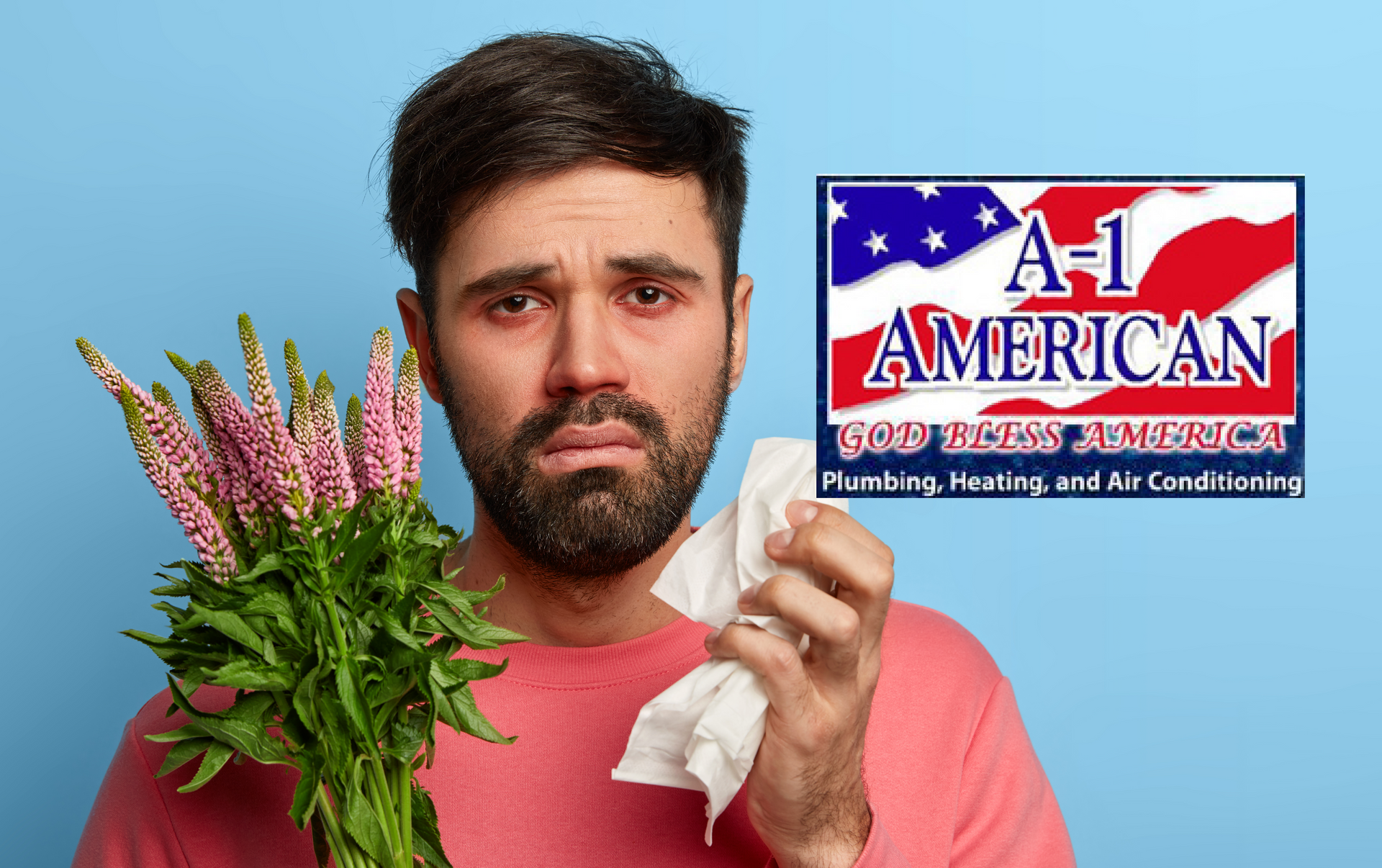
If you've stepped outside recently in Virginia Beach or anywhere across Hampton Roads, you've seen it: that unmistakable film of yellow-green dust coating every horizontal surface within reach. Your car looks like it was parked inside a beehive (and serves as a teaching tool for toddlers to write on). Your porch furniture has given up the fight, and let's face it, so have you for now.
And somewhere in your house, your HVAC system is working overtime while you remain blissfully unaware.
Welcome to April in Coastal Virginia — where the azaleas are HUGE and gorgeous, but the air quality is considered a certified assault weapon to some.
Virginia Beach isn't just bad at pollen - IT IS NATIONALLY RANKED-WHEWWW..... not surprising, though! The city has earned the dubious distinction of second-worst in the state and eleventh-worst in the entire country. The culprit this time of year is primarily tree pollen: oak, cedar, birch, and pine are basically running a coordinated aerial bombardment from April through June.
Pollen counts peak between 4 and 6 a.m. and stay elevated through mid-morning — right when most of us are commuting with our car windows cracked, blissfully sneezing our way down I-64. On dry, warm, windy days (which describes most of this week's and last forecast), that pollen spreads easily and can even drift in from neighboring counties or states. Virginia Beach's coastal breezes, delightful as they are, serve as a delivery system.
Your Home Is Not Safe Either
But here's the part nobody talks about at the pharmacy when you're loading up on anything that looks like it will offer a modicum of relief: pollen doesn't stop at your front door. It infiltrates your home through every gap, vent, and open window — and once inside, it goes straight for your appliances. And we know this!! We just don't think about it as much as we do the symptoms it brings.
HVAC & Air Systems
Central Air & Furnace
Your air filter is the front line. During peak pollen season it can clog in 2–4 weeks instead of a month, straining the motor and tanking efficiency.
HVAC & Air Systems
Air Purifiers
They work overtime right now and HEPA filters deplete faster than the manufacturer's schedule suggests. Check them monthly, not quarterly.
HVAC & Air Systems
Window AC Units
The coils and filters trap pollen heavily, and installing them means opening windows — a direct invitation for the yellow stuff to pour in.
HVAC & Air Systems
Ceiling Fans
Pollen settles on the blades and gets redistributed with every spin. If you've been sneezing inexplicably indoors, look up.
Vents & Exhausts
Dryers & Range Hoods
Outdoor exhaust vents near vegetation become two-way streets during pollen season. Avoid line-drying clothes outside — you'll just wear the pollen back inside.
Electronics
Computers & Consoles
Cooling fans actively suck in air — and whatever's in it. Pollen accumulating on internal components can cause overheating over time. Clean those vents.
Dehumidifiers are another quiet casualty. Hampton Roads is already a high-humidity environment, so many households run them year-round. During pollen season, their filters and coils collect pollen alongside moisture, reducing efficiency when you need it most.
What You Can Actually Do About Pollen
Short of relocating to a desert (an increasingly tempting option come mid-April) and one I have considered multiple times these past two months, here's how to keep pollen from staging a full home invasion:
Check and replace HVAC filters more frequently — every 3–4 weeks through May, rather than monthly. Upgrade to a MERV-11 or higher filter if your system supports it. Keep windows closed on dry, windy days, especially in the mornings when pollen counts are at their peak. Vacuum regularly with a HEPA-filter vacuum to capture settled pollen before it recirculates. And resist airing out your home on when the temps are mild. Unfortunately, I think most of us Virginians were raised to do exactly THAT, but that gold breeze will come with a sniffly cost. Try to resist the call.
One silver lining: humidity (that other perk we ALL LOVE about living in Virginia!) eventually works in your favor. Once Hampton Roads summer humidity climbs past 80%, trees lose their ability to release pollen effectively. So as miserable as July makes us feel, at least you won't be sneezing through it. Makes sense when you think about it!
Until then, stock up on filters, close the windows, and try not to look too closely at your outdoor furniture. Some things are better left undisturbed and unseen until we can do something about it. Of course, if all else fails OR your HVAC system is not working properly, give us a call!
Our techs are on call 24/7 and ready to help you and your family!