Why Your Energy Bill Spikes Every Fall in Hampton Roads
The bill that lands in October or November, when the weather is supposedly "nice", is the one that catches people off guard.
We've spent years crawling under houses and climbing into attics from Virginia Beach to Newport News. When a homeowner calls about a fall bill spike, the cause is almost always one of the same six things. Here's what I look for, and how to fix each one.
1. Your AC is worn out from a long Hampton Roads summer
Our summers don't end on Labor Day. September still brings muggy afternoons in the upper 80s, and by then your AC has run hard for four or five straight months. A clogged filter, a dirty outdoor coil, or a slow refrigerant leak means the system runs longer to reach the same temperature.
Living near the Oceanfront or the Bay adds another problem. Salt air corrodes the thin aluminum fins on outdoor coils, and summer storms pile leaves, grass clippings and pollen around the unit. All of it chokes airflow.
The fix:
- Replace the air filter now, then every 1 to 3 months. Homes with pets or recent renovation work need it more often.
- Keep 2 feet of clear space around the outdoor unit. With the power off at the disconnect, gently rinse the coil with a garden hose from the inside out.
- If the system runs nonstop but the house still feels clammy, call a technician. Low refrigerant or a dirty indoor coil isn't a DIY job.
Good AC efficiency in Virginia Beach comes from heading into fall with a clean system, not one limping out of summer.
2. Your heat pump is leaning on backup heat
Most homes around here heat with a heat pump. On those first chilly mornings in late October, the system may call on its auxiliary heat, a set of electric resistance strips inside the air handler. Those strips can use two to three times the electricity of the heat pump doing the same work.
If your thermostat shows "AUX" or "EM HEAT" often, you're paying for it. The usual culprits are big jumps on the thermostat, a heat pump low on refrigerant, a defrost control problem, or emergency heat switched on by accident.
The fix:
- Raise the temperature 1 or 2 degrees at a time instead of jumping 5 or more degrees at once.
- Only use "Emergency Heat" if the heat pump has actually failed. It's not a comfort setting.
- Have a technician check the refrigerant charge, reversing valve and defrost cycle before the first cold snap.
- If you upgrade, choose a smart thermostat with heat pump settings that limit how often backup heat kicks in.
3. You're fighting the thermostat every day
A fall day in Hampton Roads can swing 20 degrees or more between sunrise and mid-afternoon. A lot of families run the heat at 7 a.m. and the AC by 3 p.m. Every changeover and every hard recovery from a cold house burns extra energy.
The fix:
- On mild days, use "Auto" with a wide gap, such as heat at 66°F and cool at 76°F, so the system isn't flipping back and forth.
- When humidity is low, turn the system off and open the windows. It's free comfort.
- Use a programmable or smart thermostat. The U.S. Department of Energy estimates that setting back 7 to 10°F for 8 hours a day can save up to 10% a year on heating and cooling.
- Run ceiling fans on low. In cooler weather, switch them to spin clockwise to push warm air down from the ceiling.
4. Your water heater is working harder
This is the one most people never connect to their bill. As the ground cools in fall, the water coming in from the city main gets colder. Your water heater has to raise that water more degrees to reach the same temperature, so it runs longer for every shower and every load of laundry.
Then November arrives. Houseguests, extra showers and holiday cooking push hot water use up right when the heater is least efficient. On top of that, minerals in the water settle as sediment on the bottom of the tank. That layer acts like insulation between the heat and the water, and it's what causes the rumbling or popping sound some tanks make.
The fix:
- Set the tank to 120°F. Many come from the factory at 140°F, which wastes energy and raises scald risk.
- Flush the tank once a year. Fall is the perfect time, before the holidays.
- Insulate the first few feet of hot water pipe, especially where it runs through a crawl space.
- Fix any dripping hot water faucet. You're paying to heat water that goes straight down the drain.
- If your tank is 10 to 12 years old or more, ask about replacement. A heat pump water heater or tankless unit can cut water heating costs noticeably.
5. Your ductwork is leaking the air you paid for
Plenty of Hampton Roads homes run their ducts through vented crawl spaces or hot attics. Loose joints, crushed flex duct and torn insulation let heated or cooled air escape before it reaches your rooms. ENERGY STAR estimates a typical duct system loses around 20 to 30% of the air moving through it.
Our humid summers make this worse. Moisture and critters in crawl spaces break down duct insulation, and by fall you notice rooms that never quite warm up.
The fix:
- Walk the house and note rooms that run noticeably colder, registers with weak airflow, or dust streaks around vents.
- Take a flashlight into the crawl space or attic and look for disconnected, sagging or crushed ducts.
- Have joints sealed with mastic or foil tape. Regular cloth duct tape dries out and fails.
- Keep the crawl space vapor barrier intact so moisture doesn't soak the duct insulation again.
6. Clogged condensate lines and hidden leaks
Here's where plumbing and HVAC meet. All summer, your AC pulls gallons of water out of our humid air and sends it down a small condensate drain line. By fall, that line is often lined with algae and sludge. A backed-up line can shut the system down, or overflow and soak the insulation and ductwork around it.
Hidden leaks hit your bills too. A running toilet can waste hundreds of gallons a day. A leak on the hot water side costs you twice: once for the water, and again for the energy to heat it.
The fix:
- Pour a cup of distilled white vinegar into the condensate line's access port every few months.
- Check the drain pan under the indoor unit for standing water or rust.
- Put a few drops of food coloring in the toilet tank. If color shows up in the bowl within 15 minutes without flushing, the flapper is leaking.
- Read your water meter, go 2 hours without using water, and read it again. If it moved, you have a leak somewhere.
- Warm spots on the floor or the sound of running water with every tap closed can mean a slab leak. Call a plumber right away.
What a fall HVAC tune-up should cover
The best time for an HVAC tune-up in Hampton Roads is September or October, before the first cold snap and before every technician in town is booked. A thorough visit should include:
- Replacing or checking the air filter
- Cleaning the outdoor coil and checking refrigerant charge
- Testing the heat pump's reversing valve, defrost cycle and auxiliary heat strips
- Inspecting electrical connections, capacitors and contactors
- Clearing and flushing the condensate drain line
- Checking airflow and visible ductwork for leaks or damage
- Confirming thermostat settings and calibration
- Flushing the water heater and checking its anode rod and relief valve
If a tune-up visit doesn't touch most of this list, you're not getting the full value.
Get ahead of the fall bill
A fall spike in your energy bill is your home telling you something. Usually it's a tired AC, a heat pump leaning on backup heat, a struggling water heater, or a leak you can't see. Every one of these is cheaper to fix now than after it fails on the first cold night.
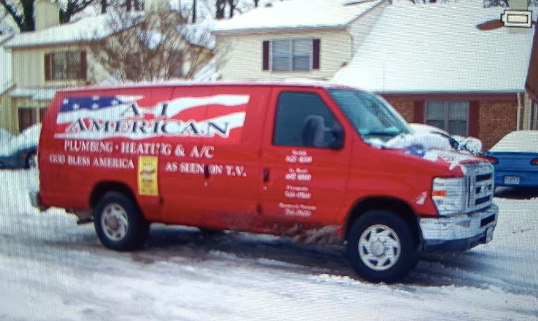
A-1 American Services has offices in Virginia Beach and Newport News and serves homeowners across Hampton Roads. Our team handles both sides of the problem, HVAC and plumbing, in one visit.
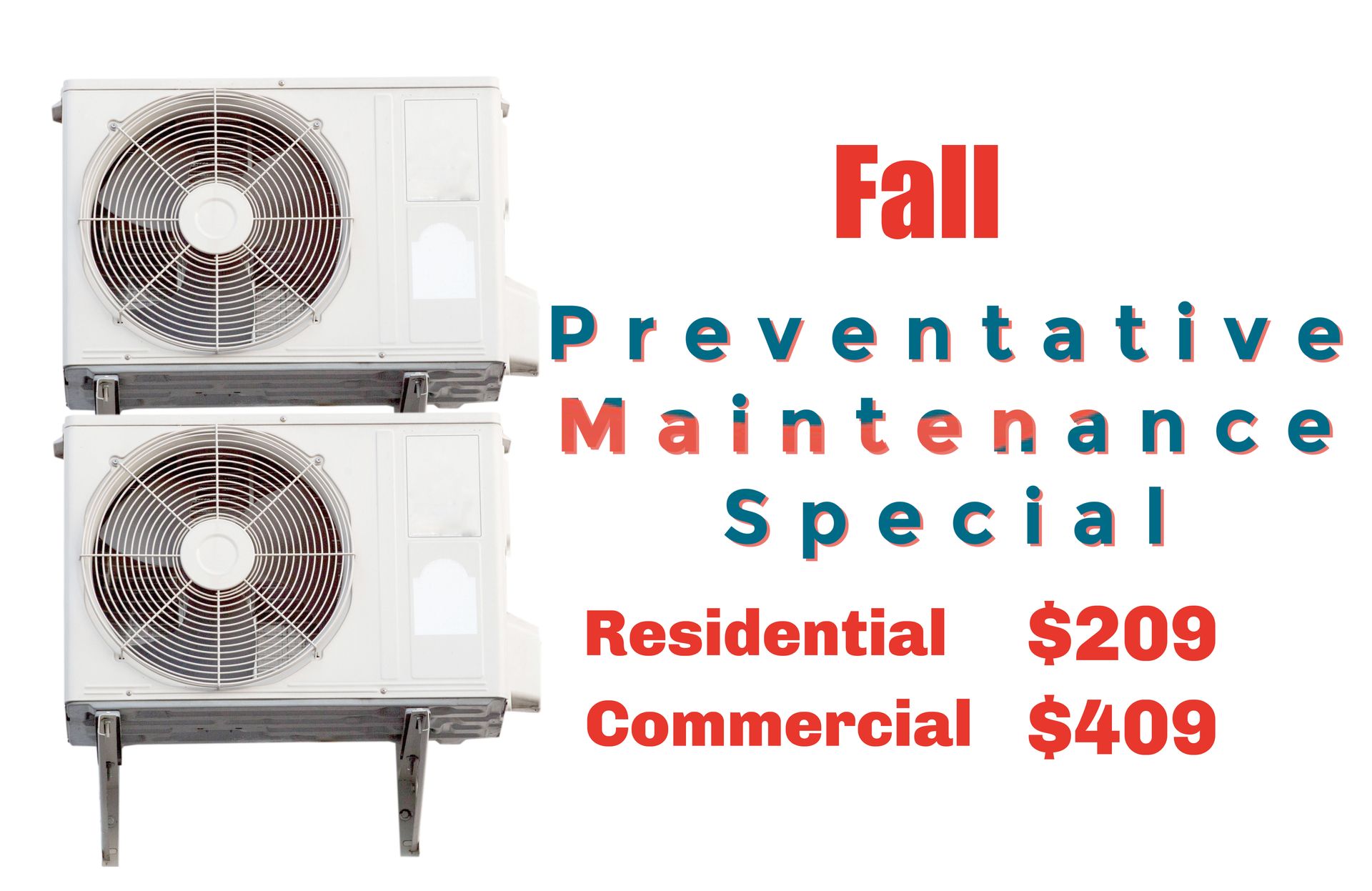
Schedule your fall HVAC tune-up and water heater flush at a-1american.com or call your nearest office today.